Showing: 151 - 160 of 347 Articles
rosacea_symptoms_and_treatment

Rosacea Acne: Clearing Up Confusion and Finding Comfort

Rosacea acne can be frustrating and embarrassing, leaving you with redness, bumps, and even burning sensations. But it’s important to remember you’re not alone, and there are ways to manage it effectively. Let’s delve into your questions and guide you towards clearer, calmer skin. Understanding Rosacea Acne: What is it? Rosacea acne is a chronic …

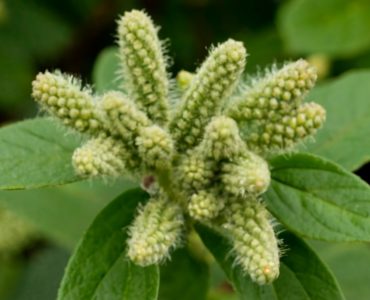
Butterbur contains chemicals that might relieve spasms and decrease swelling. Butterbur is used for migraine, hay fever, asthma, and many other conditions, but there is no strong scientific evidence to support most of these uses. Some butterbur products may contain pyrrolizidine alkaloids (PAs)., photo,

From Allergies to Inflammation: Exploring the Potential of Butterbur as a Gentle & Versatile Remedy

(Petasites hydridus) Butterbur is a woodland plant that is a member of the daisy family. It grows freely in damp conditions throughout Europe and the British Isles. Petasites means “large brimmed hat”, which is the best way to describe the large, round leaves. The root and leaves are used in herbal medicine. Traditionally the entire …

Calendula appears to fight inflammation, viruses, and bacteria. Traditionally, calendula has been used to treat stomach upset and ulcers, as well as relieve menstrual cramps, but there is no scientific evidence that calendula works for these problems., photo,

Unleash the Hidden Power of Calendula for Health & Beauty

(Calendula officinalis) Calendula, or marigold, grows as a common garden plant throughout North America and Europe. The golden-orange or yellow flowers of calendula have been used as medicine for centuries. Calendula flowers were historically considered beneficial for reducing inflammation, wound healing, and as an antiseptic. Calendula was used to treat various skin diseases, ranging from …

Butcher's broom is a plant. The root is used to make medicine. Butcher's broom is used for hemorrhoids, gallstones, “hardening of the arteries” (atherosclerosis), and for symptoms of poor blood circulation such as pain, heaviness, leg cramps, leg swelling, varicose veins, itching, and swelling., photo, poster

Butcher’s Broom: More Than Just Pretty Sprouts – Unlocking its Hidden Health Wonders

(ruscus aculeatus) Butcher’s broom is a spiny, small-leafed evergreen bush native to the Mediterranean region and northwest Europe. It is a member of the lily family and is similar, in many ways, to asparagus. The roots and young stems of butcher’s broom are used medicinally. Butcher’s broom is so named because the mature branches were …

Burdock root

Harnessing Burdock Root’s Power for Radiant Skin, Healthy Hair, and More!

(arctium lappa) Burdock is native to Asia and Europe. The root is the primary source of many herbal preparations. The root becomes very soft with chewing and tastes sweet, with a mucilaginous (sticky) texture. In traditional herbal texts, burdock root is described as a “blood purifier” or “alterative” and was believed to clear the bloodstream …

Buchu remains a popular ingredient in over-the-counter herbal diuretic preparations. Historically, buchu has been used to treat inflammation, and kidney and urinary tract infections; as a diuretic and as a stomach tonic. Other uses include carminative action and treatment of cystitis, urethritis, prostatitis, and gout., photo,

Ditch Harsh Cleansers, Embrace Nature’s Detox: Buchu, Your Skin & Gut’s Best Friend!

(Barosmae folium) Buchu is a low shrub native to the Cape region of South Africa. The dried leaves are harvested during the flowering season. The oil can be obtained by steam distillation of the leaves. The two primary species of buchu used commercially are Agathosma betulina (syn. Barosma betulina) and Agathosma crenulata (syn. Barosma crenultata). …

Boswellia serrata is a tree prevalent in India, the Middle East and North Africa. The gummy exudate or resin obtained by peeling away the bark is commonly known as frankincense or olibanum. Boswellia is used widely in Ayurveda for treating arthritis, ulcerative colitis, coughs, sores, wound healing, and asthma., photo,

Beyond Incense: Unlock the Modern Magic of Boswellia for Health & Wellness!

(boswellia serrata) Boswellia, is a tree found primarily in the hilly areas of India. It is the sap or the gum of the tree that is used in traditional Ayuvedic medicince. In the ancient Ayurvedic medical texts of India, the gummy exudate from boswellia is grouped with other gum resins and referred to collectively as …

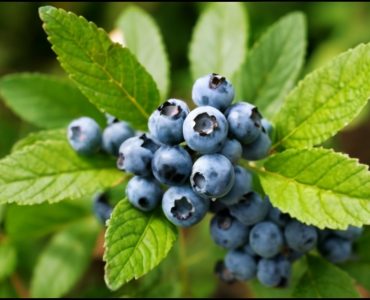
Clinical trials have shown that Blueberry Leaf may be capable of benefiting: Lowers blood sugar on an average of 26%.* Contains excellent anti-inflammatory properties.* Assist and stop damage to the blood vessels sometimes caused by diabetes. ... Cancer.

Beyond Delicious Desserts: Unlock the Hidden Health Wonders of Blueberry Leaf! ✨

(vacdnium angustifolium) Blueberry is closely related to the European bilberry (Vaccinium myrtillus). A few species of blueberries exist—including V. pallidum and V. corymbosum—and grow throughout the United States. Blueberry leaves are the primary part of the plant used medicinally. However, the berries are occasionally used. Traditionally, a tea made from blueberry leaves was considered helpful …

Blue cohosh is used for stimulating the uterus and starting labor; starting menstruation; stopping muscle spasms; as a laxative; and for treating colic, sore throat, cramps, hiccups, epilepsy, hysterics, inflammation of the uterus, infection of the female organs (pelvic inflammatory disease), over-growth of uterine ., photo, poster

Blue Cohosh: Age Naturally, Thrive Beautifully: Black Cohosh & Your Holistic Menopause Journey!

(Caulophyllum thalictroides) Forget synthetic pills and harsh chemicals – Blue Cohosh whispers of a different path to well-being. This ancient herb, cherished by Native Americans, offered its strength in various ways: Awakening stagnant menstrual cycles: A gentle nudge for those with delayed periods, Blue Cohosh aimed to restore natural rhythm. Bringing soothing calm to tense muscles: Cramps, …

Today, black cohosh is most commonly used for menopausal symptoms, including hot flashes (also called hot flushes) and night sweats (together known as vasomotor symptoms), vaginal dryness, heart palpitations, tinnitus, vertigo, sleep disturbances, nervousness, and irritability

Black Cohosh: Beyond Estrogen: Find Harmony with Black Cohosh, Nature’s Menopause Ally!

(Cimicifuga racemosa) Black cohosh is a shrub-like plant native to the eastern deciduous forests of North America, ranging from southern Ontario to Georgia, north to Wisconsin and west to Arkansas. The dried root and rhizome are used medicinally. When harvested from the wild, the root is black in colour. Cohosh, an Algonquin Indian word meaning …

[instagram-feed]